
The Board Question
Kettei Workshopfor executives and programme directors
Who it is for
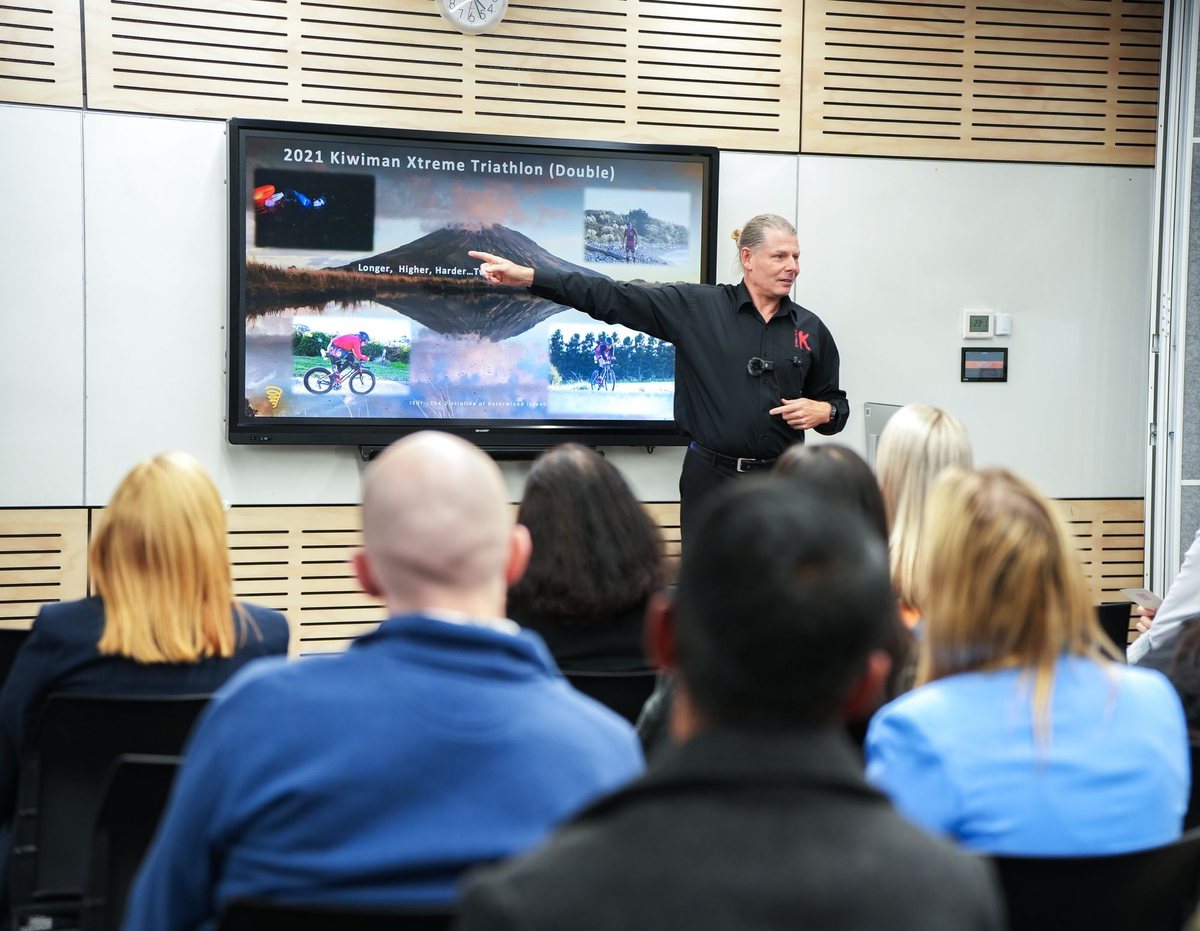
Executives and programme directors who approve consequential decisions, and the teams that then run those decisions. Kettei is for the small cluster of decisions a programme can least afford to get wrong.
The problem it works on
After approval, the programme and its budget each keep an owner. Checking whether the decision still holds stops being anyone’s explicit job, and a decision made on assumptions left unchecked is defended long after its premise has collapsed.
Formats
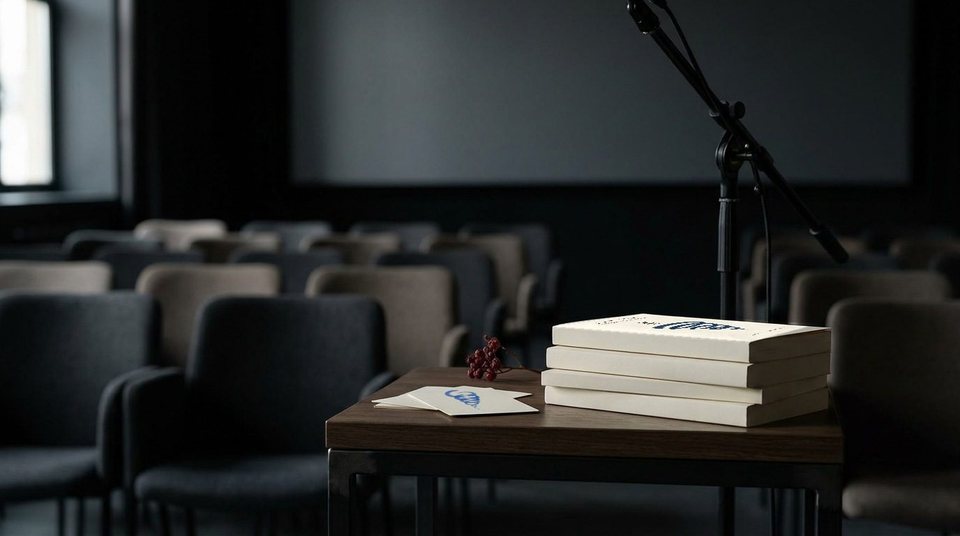
45 minutes, 90 minutes or half day, run in company. The room works on paper, in tables of 4 to 6.
The format
The Harvard Business School case method
The room decides before it hears the outcome. Tables of 4 to 6 work on paper: a case card, a Watchcard, an evidence card and a sentence card.
Case: the Boeing 737 MAXThe 7 propertiesWANZCORP Bank: the case papersThe Kettei Card and the Watchcard
The agenda
The Board Question, in 6 parts
The Boeing card
Each person is on Boeing’s board in the spring of 2011 and has 60 seconds, in silence, to write what authority to grant, who owns the decision and what would stop it. The cards go face down.
Where Kettei came from
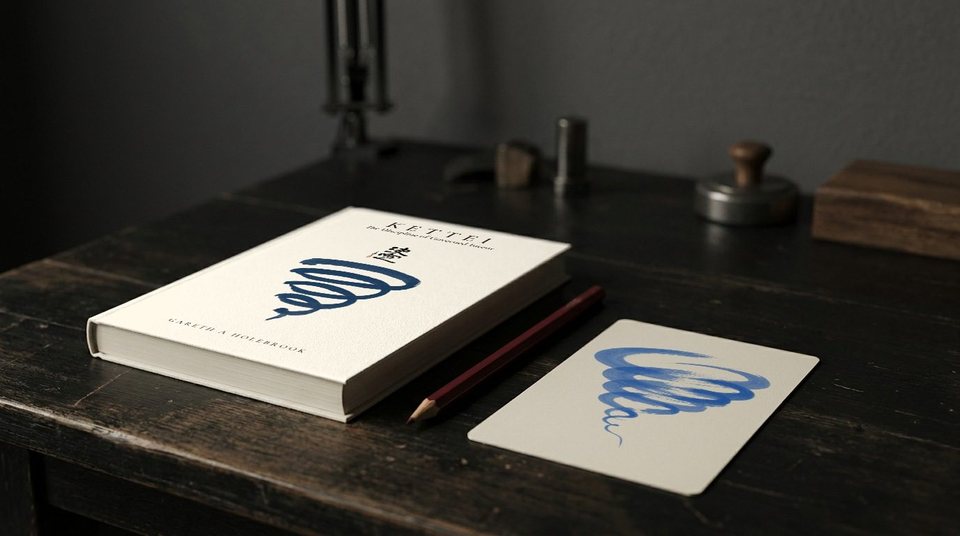
The Ishi Spiral, and Kettei: intent held outside a single skull.
How decisions fail after the thud
Pairs compare cards. Then what actually happened, and a count of the cards that named an owner still watching years later.
The fix
The 7 properties that make a decision governable, taught against the room’s own cards: owner, reversibility, lifecycle state, coupling, scope, abort criteria and validity boundary. AHA (pronounced A-Hey): Adjust, Hold or Abort in flight; Recommit, Pivot or Release at the review. A Watchcard for each decision and a Watchlist for each endeavour.
Worked example: WANZCORP Bank, a hypothetical
Each table writes the Watchcard the bank needed: alone, then in pairs, then as a table. An evidence card is handed out, 10 weeks after go-live. Each table decides Adjust, Hold or Abort, who declares it and on what evidence. Then the governed answer.
One sentence for the board
Each person writes the sentence to take back: before you approve this, you need that, because of this.
The outcome
Each person leaves with
A Watchcard the table wrote for the bank, which another person could act on; a blank Watchcard and Watchlist to copy for a live programme; and one sentence for the executive or the board.

Formats: 45 minutes, 90 minutes or half day
POA. Email for details.
Beyond the workshop
Kettei Sea Trials
A 12-week pilot programme to implement Kettei. It follows this workshop and governs live decisions week by week.